

The Hidden Costs of Ignoring Minor Collision Damage
After a minor accident, it’s easy to brush things off. Maybe it’s just a small dent in the bumper, a light scratch on the door, or a barely noticeable scuff from a parking lot mishap. The car still drives fine, nothing feels off, and life moves on. For many drivers,...

Why Rushing a Collision Repair Can Cost You More in the Long Run
After an accident, it’s completely natural to want your car back as soon as possible. Being without your vehicle is inconvenient, and the sooner things return to normal, the better. But when it comes to collision repair, speed isn’t always your friend. In fact,...

How Temperature and Environment Affect Collision Repairs More Than You Think
When people think about collision repair, they usually focus on the visible work. Panels being repaired, paint being applied, parts being replaced. What most don’t consider is how much the environment plays a role in the quality of that repair. Temperature, humidity,...
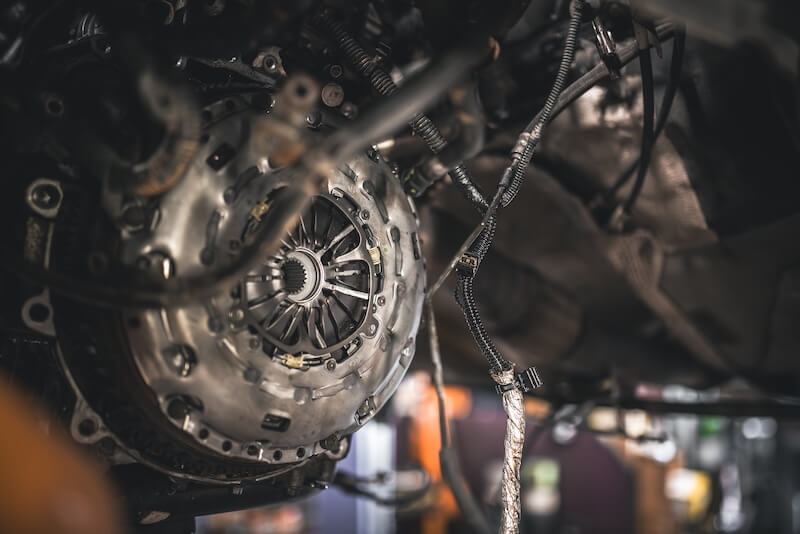
Why Modern Bumpers Are More Than Just Plastic – and Why It Matters in Collision Repair
For a long time, people thought of bumpers as simple protective pieces. If you tapped something in a parking lot or got into a minor fender bender, the bumper took the hit, and that was the end of it. Replace it or fix it, and you’re good to go. That idea doesn’t...
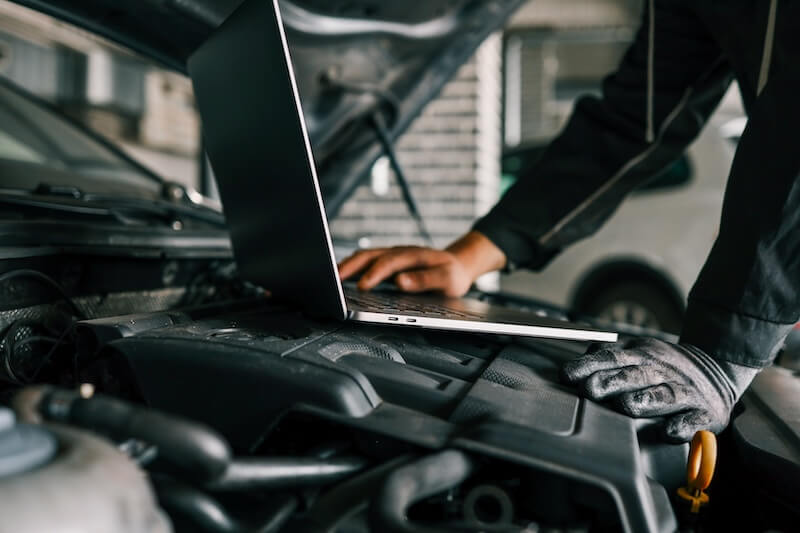
Why Color Matching Is Harder Than It Looks in Modern Auto Paint Systems
When a vehicle comes in for collision repair, one of the most common expectations is simple. When the job is done, the paint should match perfectly. No differences, no visible lines, no signs that anything was ever repaired. It sounds straightforward, but color...
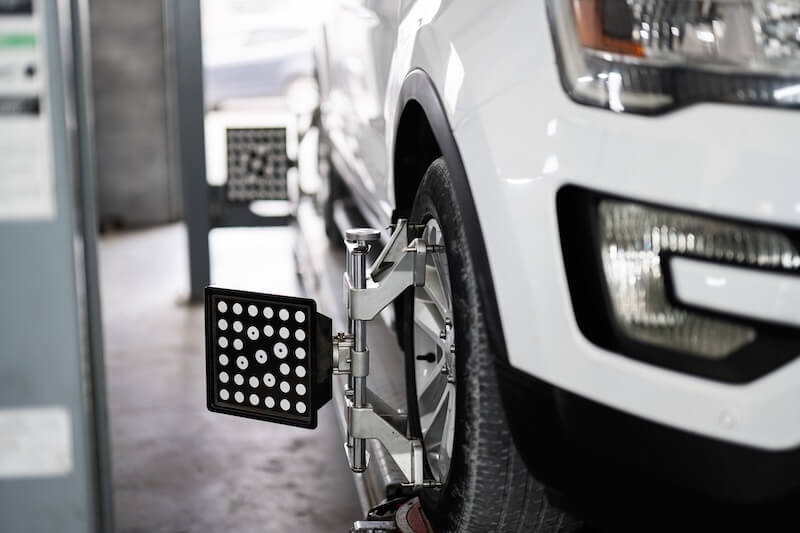
Cosmetic vs Structural Damage: Why the Difference Matters After a Collision
After a collision, one of the first things people do is assess the damage with their eyes. A scratched bumper, a dented door, maybe a cracked headlight. If it doesn’t look too bad, it’s easy to assume the damage is minor. But what you see on the surface doesn’t always...
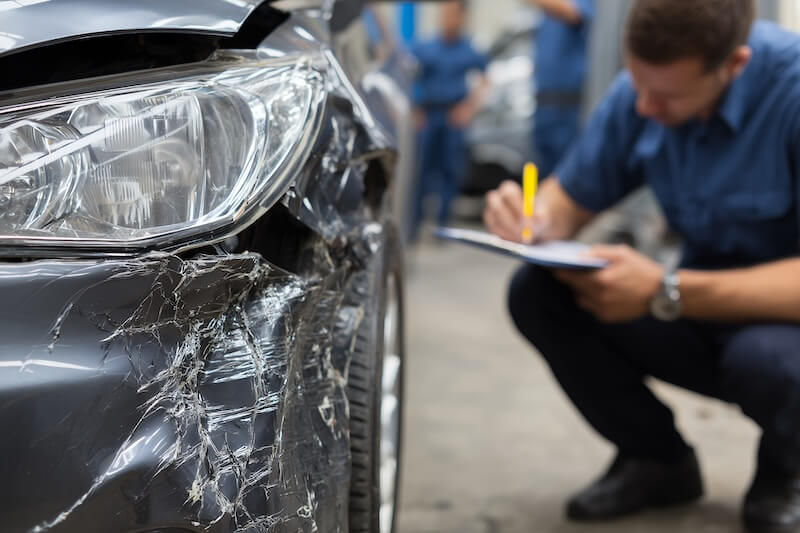
Why Some Auto Parts Take Longer to Arrive – and How It Affects Your Repair Timeline
One of the most common questions we hear after a vehicle is dropped off for repair is simple: “How long will it take?” It’s a fair question, and in many cases, we can give a solid estimate. But there’s one factor that can change that timeline more than anything else,...

Why a Lifetime Warranty Matters in Collision Repair – and What It Really Covers
When you’re choosing a collision repair shop, you might hear the phrase “lifetime warranty” and assume it’s just a standard part of the service. It sounds reassuring, but most people don’t stop to ask what it actually means or why it matters. A lifetime warranty isn’t...
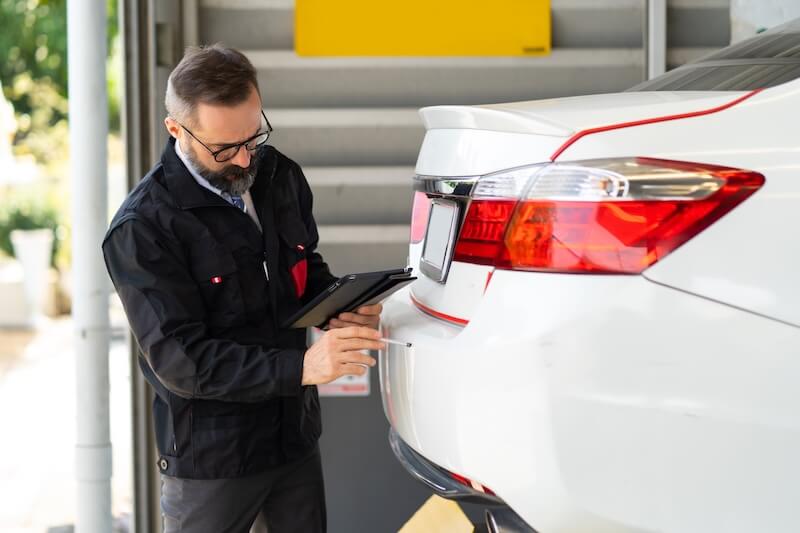
Questions You Should Always Ask Before Approving Collision Repairs
After an accident, once the estimate is prepared and the repair process is about to begin, most drivers just want to move forward and get their car back as quickly as possible. That’s completely understandable. But taking a few extra minutes to ask the right questions...
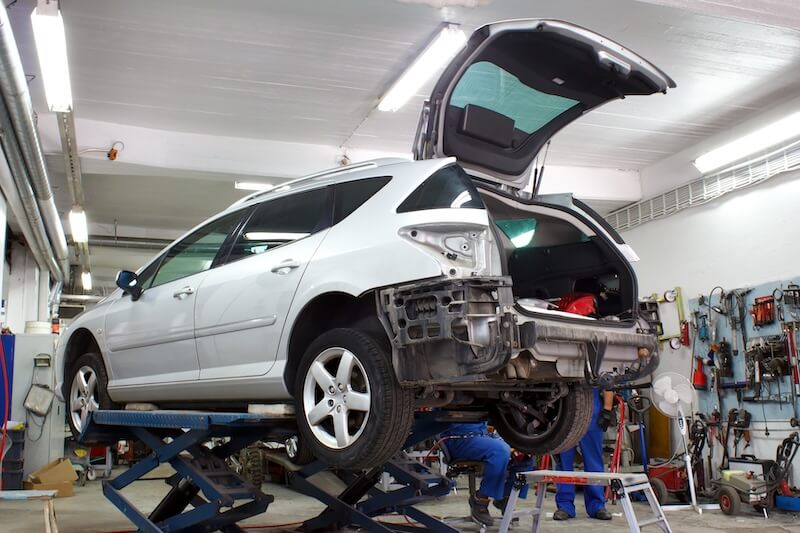
How to Spot a Poor-Quality Collision Repair Before It Becomes a Problem
Most drivers assume that once their car comes back from a body shop, the job is done. The damage is gone, the paint looks fresh, and everything seems back to normal. But not all collision repairs are created equal, and sometimes the signs of a poor-quality repair...
