After a collision, one of the first things people do is assess the damage with their eyes. A scratched bumper, a dented door, maybe a cracked headlight. If it doesn’t look too bad, it’s easy to assume the damage is minor. But what you see on the surface doesn’t always tell the full story.
In collision repair, there’s a big difference between cosmetic damage and structural damage. Understanding that difference is important, because it directly affects how your vehicle performs and how safe it is after the repair.
Cosmetic damage is exactly what it sounds like. It affects the appearance of the vehicle without impacting its structural integrity. This includes things like paint scratches, small dents, or surface-level damage to panels. While it may not affect how the car drives, it still needs to be repaired properly to prevent issues like rust or further deterioration over time.
Structural damage, on the other hand, goes much deeper. It involves the parts of the vehicle that are responsible for its strength and stability. This includes the frame, subframe, and other components that absorb and distribute impact during a collision. When these areas are affected, it’s not just about appearance anymore. It’s about how the vehicle protects you in the event of another accident.
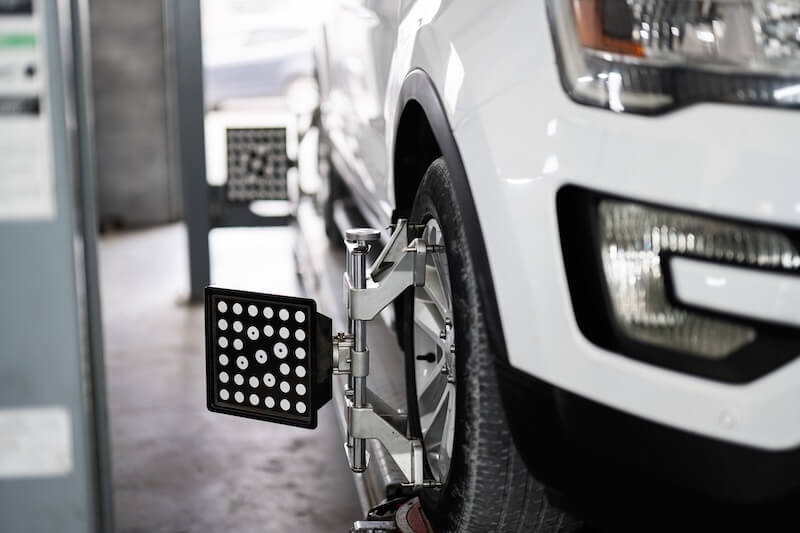
The challenge is that structural damage isn’t always visible. A bumper might look like it took most of the impact, but the force of the collision can travel through the vehicle and affect components behind it. That’s why a proper inspection goes beyond what can be seen on the surface.
At OHS Body Shop, we take that deeper look seriously. Every vehicle is inspected for both visible and hidden damage to ensure nothing is missed. Even in cases where the damage appears minor, we check the underlying structure to confirm everything is aligned and functioning as it should.
One of the risks of overlooking structural damage is that the vehicle may not respond the same way in a future collision. Modern cars are designed with very specific crumple zones and structural reinforcements. These features are engineered to absorb impact in a controlled way, reducing the force transferred to occupants. If those areas are compromised and not properly repaired, the vehicle may not provide the same level of protection.
There’s also a performance aspect to consider. Structural damage can affect alignment, suspension geometry, and overall handling. Drivers might notice subtle changes, like the car pulling slightly to one side or feeling less stable on the road. These issues can develop gradually, making them easy to overlook at first.
For Montana drivers, where road conditions can vary and vehicles are expected to perform reliably in different environments, structural integrity is especially important. A vehicle that hasn’t been properly restored may struggle more on uneven roads or during longer drives.
That doesn’t mean cosmetic damage should be ignored. Even surface-level issues can lead to bigger problems if left unaddressed. Paint damage can expose metal to moisture, leading to rust. Small dents can affect how panels fit and seal, potentially allowing water or debris into areas where it shouldn’t be.
The key is understanding that both types of damage matter, just in different ways. Cosmetic repairs restore the appearance of your vehicle, while structural repairs restore its strength and safety. A complete repair addresses both.
At OHS Body Shop, our goal is to bring your vehicle back to its pre-accident condition in every sense. That means not just making it look right, but making sure it performs the way it was designed to.
After an accident, it’s natural to focus on what you can see. But the real value of a professional inspection is uncovering what you can’t. Because when it comes to your vehicle, what’s underneath the surface often matters the most.