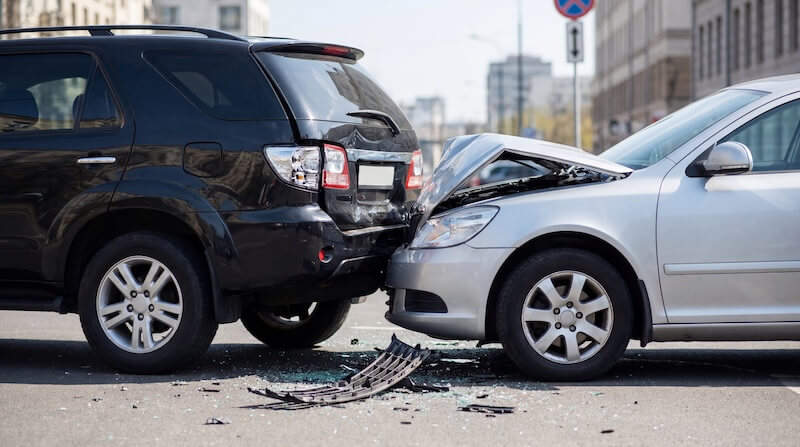
One of the most common surprises during a collision repair is when the estimate changes after the vehicle has already been dropped off. From a customer’s perspective, it can feel like the goalposts are moving. You were given a number, and now that number has shifted. It’s a fair question to ask why, and the answer comes down to how modern vehicles are built and how thorough repairs are done.
The initial estimate is based on what can be seen. When a vehicle first arrives, technicians inspect visible damage, take measurements, and create a plan using the information available at that moment. But a large portion of a vehicle’s structure and systems are hidden behind panels, under trim, and within tightly packed assemblies. There’s only so much that can be assessed without taking things apart.
That’s where tear-down comes in. Once the repair process begins, parts are carefully removed to expose the underlying structure. This allows technicians to see the full extent of the damage. In many cases, what’s found underneath doesn’t match what was visible from the outside. A bumper that looked lightly damaged may be hiding broken mounting brackets, sensor issues, or stress to structural components behind it.
Modern vehicles are especially prone to this kind of hidden damage. With advanced materials, layered construction, and integrated safety systems, even a low-speed impact can affect multiple areas. The vehicle is designed to absorb and distribute energy, and that means damage often travels beyond the initial point of contact.
When additional damage is discovered during tear-down, the estimate is updated to reflect the full scope of the repair. This updated estimate is sometimes referred to as a supplement, and it’s submitted to the insurance company for approval. It’s not a sign that something went wrong. It’s a sign that the repair is being done thoroughly.
From a repair standpoint, this is exactly what you want. Addressing all damage upfront ensures that the vehicle is restored properly. Ignoring hidden issues to stick with the original estimate might seem faster, but it often leads to problems later. Components that weren’t repaired correctly can fail, wear unevenly, or affect how the vehicle handles.
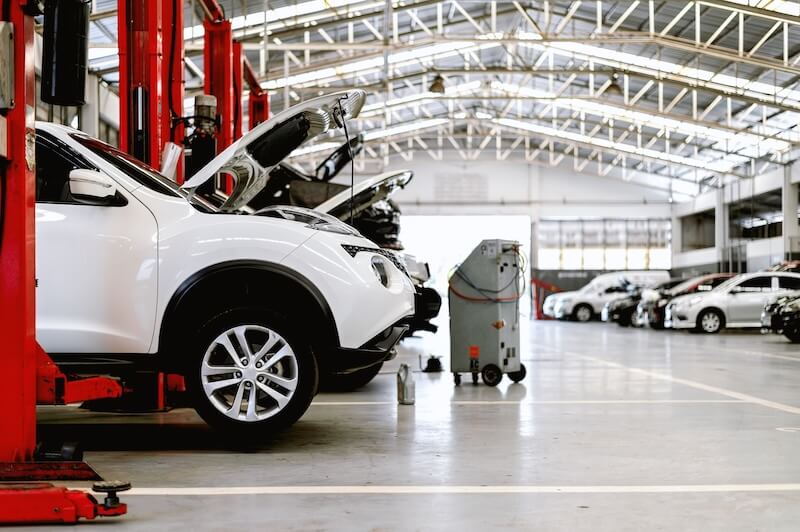
At OHS Body Shop, tear-down is a critical part of our process. We don’t rely on surface-level inspections alone. We take the time to expose and evaluate all affected areas so we can build an accurate repair plan. That approach allows us to communicate clearly with both the customer and the insurance company, ensuring that everyone understands what’s needed and why.
For drivers, the key takeaway is that an estimate isn’t a fixed number from the start. It’s a starting point based on visible information. As the repair progresses and more is uncovered, adjustments are part of doing the job right. While it may add a little time to the process, it leads to a better outcome.
It’s also worth noting that this process protects you in the long run. A vehicle that has been fully inspected and properly repaired is more reliable, safer, and less likely to develop issues down the road. That’s especially important in Montana, where driving conditions can put extra stress on vehicles and expose any weaknesses in the repair.
If your repair estimate changes after tear-down, it’s not something to worry about. It’s an indication that the shop is doing a complete job and not cutting corners. Transparency and communication are key, and a good repair shop will walk you through any updates so you know exactly what’s happening with your vehicle.
At the end of the day, the goal isn’t to stick to the original number at all costs. The goal is to restore your vehicle to a condition you can trust. And sometimes, that requires looking deeper than what’s visible at first glance.