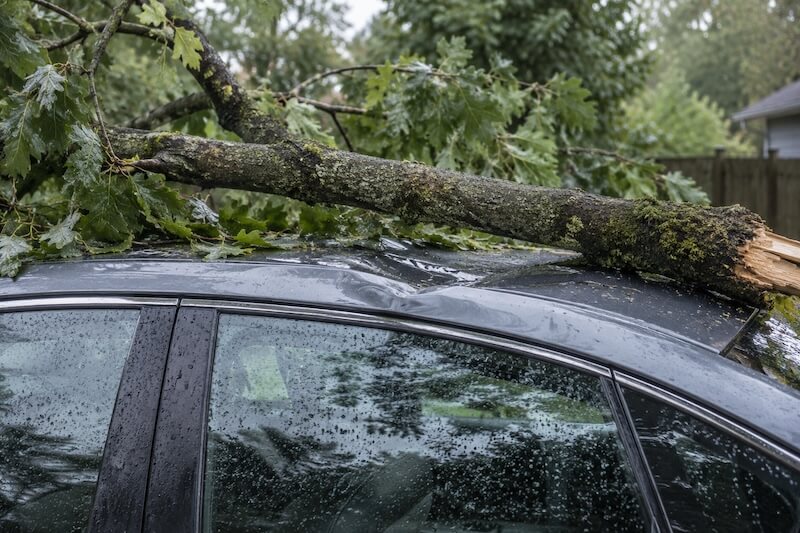
When a vehicle is involved in an accident, roof damage can be one of the more concerning problems to discover. A fallen tree branch, a collision with a low structure, a rollover, or even a heavy object striking the vehicle can leave dents, creases, or more serious deformation across the roof.
For many drivers, the first question is straightforward: Can the roof be repaired, or does the entire panel need to be replaced?
The answer depends on the extent of the damage, the vehicle’s construction, and the materials used. A small dent in an outer roof panel may be repairable, while damage involving roof pillars, structural reinforcements, or airbag mounting areas may require a much more involved repair.
At OHS Body Shop, we understand that roof repairs are about more than restoring a smooth appearance. The roof is an important part of your vehicle’s overall structure, and getting the repair method right matters.
Why Your Vehicle’s Roof Is More Than an Exterior Panel
The roof of a modern vehicle is part of an engineered body structure. It works together with the pillars, floor, side rails, and other reinforced sections to help maintain the integrity of the passenger compartment.
Most passenger vehicles use a unibody construction, meaning the body and structural framework are integrated rather than being separate components mounted on a traditional frame.
The roof panel itself may be relatively thin compared with the reinforced structures underneath it. However, the roof rails and pillars provide important structural support.
In a collision or rollover, these components help manage forces and limit deformation of the passenger compartment. Damage to the roof structure can therefore be more serious than a dent in an ordinary exterior body panel.
This is why technicians need to determine whether the damage is limited to the outer roof skin or extends into the supporting structure.
When Roof Damage Can Be Repaired
Not every damaged roof needs to be replaced.
If the damage is relatively shallow and the underlying structure remains intact, repair may be possible. For example, a small dent caused by a falling branch or a minor impact may be suitable for conventional metal repair, depending on the location and material.
The technician needs to evaluate the depth of the dent, the condition of the metal, the presence of sharp creases, and whether the damage has stretched or weakened the panel.
Some minor dents may be repaired using paintless dent repair when the paint remains intact and the damage is suitable for that process. More significant damage may require conventional body repair and refinishing.
However, roof panels can be difficult to repair because they often have limited access from underneath. Headliners, interior trim, wiring, and other components may need to be removed to reach the damaged area safely.
The repair decision also depends on the vehicle manufacturer’s procedures. A repair that is acceptable on one vehicle may not be permitted on another.
When Roof Replacement Is the Better Option
There are situations where replacing the roof panel is more appropriate than attempting to repair it.
Severe creases, deep deformation, torn metal, extensive stretching, or damage around structural joints can make a repair impractical or unsuitable.
A rollover accident is a common example. If the vehicle has landed on its roof, the panel may be crushed across a large area. The damage may also extend into the roof rails and pillars.
Even if the outer panel could be reshaped, the underlying structure might have been compromised.
Replacement may also be required when the manufacturer’s repair information prohibits straightening or sectioning a particular component. Some modern vehicles use advanced high-strength steels or other materials that have specific repair limitations.
The goal is not simply to make the roof look straight again. The repaired vehicle needs to meet the applicable structural and safety requirements.
Why Roof Pillars and Rails Need Careful Inspection
The roof is supported by structural components commonly identified as the A-, B-, and C-pillars, along with the roof rails.
The A-pillars run along either side of the windshield. The B-pillars are generally located between the front and rear doors, while the C-pillars support the rear portion of the roof.
These components help connect the roof structure to the rest of the vehicle body.
If an impact damages the roof, technicians need to check whether the deformation has reached these supporting sections. A dented roof panel may be only the visible part of a larger structural problem.
Damage to pillars can also affect door openings, windshield fitment, window alignment, and the operation of certain safety systems.
Our article on cosmetic versus structural damage explains why identifying the extent of structural damage is such an important part of collision repair.
How Roof Damage Can Affect Airbags
Modern vehicles often have side curtain airbags installed along the roofline. These airbags are designed to deploy downward alongside the windows during certain side-impact or rollover events.
Depending on the vehicle, they may be mounted behind the headliner or attached to specific structural locations along the roof rails and pillars.
If a collision damages these areas, the airbag system needs careful inspection. The airbag itself, mounting points, wiring, sensors, and surrounding components may all require attention.
If a curtain airbag has deployed, it cannot simply be reinstalled. Replacement and related repairs must follow the manufacturer’s instructions.
Even if the airbags did not deploy, damage around their mounting locations can still be relevant. A replacement roof panel or structural repair must not interfere with the correct installation and operation of the restraint system.
This is one reason roof repairs sometimes involve substantial interior disassembly.
Why Modern Roof Materials Make Repairs More Complicated
Vehicle manufacturers use a variety of materials to balance strength, weight, cost, and performance.
Depending on the model, roof structures may incorporate conventional steel, high-strength steel, aluminum, or other materials. Some vehicles also use adhesives and specialized joining techniques as part of the original construction.
These materials cannot all be repaired using the same methods.
For example, certain high-strength steel components have restrictions on heating and straightening. Applying excessive heat could change the metal’s properties and affect its intended performance.
Aluminum requires different handling and repair practices from steel. It also presents specific challenges around contamination, joining, and corrosion protection.
The technician must identify the materials involved and follow the manufacturer’s approved repair procedures.
Our article on aluminum body repair in Montana explores why material-specific repair knowledge matters in modern vehicles.
Why Roof Replacement Can Involve More Than Removing a Panel
Replacing a roof panel is often a more extensive process than drivers expect.
Depending on the vehicle, technicians may need to remove the windshield, rear glass, headliner, interior trim, roof accessories, and other components before accessing the original panel.
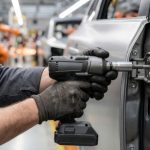
The damaged panel is then removed using the manufacturer’s specified procedures. This may involve drilling factory spot welds, separating bonded joints, or removing designated sections.
The replacement panel must be installed using the correct joining methods and materials. These may include spot welding, adhesive bonding, riveting, or a combination, depending on the vehicle design.
The surrounding structure also needs to be checked and restored as required. Finally, corrosion protection, seam sealing, refinishing, and reassembly must be completed correctly.
If the vehicle has cameras, sensors, or other equipment affected by the repair, additional diagnostic or calibration procedures may be necessary.
What About Sunroofs and Panoramic Glass Roofs?
Vehicles equipped with sunroofs or panoramic glass roofs can present additional repair challenges.
An impact may damage the glass, frame, tracks, seals, drainage channels, or surrounding roof structure. Even when the glass remains intact, deformation around the opening can affect its fit and operation.
Water leaks are another concern. If the roof opening or surrounding seals are not restored correctly, rainwater can enter the cabin and potentially damage interior materials or electrical components.
After a collision involving a sunroof or panoramic roof, technicians should inspect the complete assembly and the surrounding roof structure rather than focusing only on the glass.
How Insurance and the Repair Estimate Fit In
Roof repairs can be expensive, especially when structural components or extensive interior disassembly are involved.
The initial estimate may not include every required operation because some damage becomes visible only after the vehicle has been partially disassembled.
If additional damage is discovered, the repair shop may need to submit a supplemental estimate to the insurance company.
This is a normal part of collision repair. The final repair plan should be based on the actual damage and the applicable repair procedures, not simply the initial visible inspection.
Our article on why some collision repairs require supplements explains how additional findings can affect the repair estimate.
Get Your Roof Damage Properly Evaluated
A damaged roof can be more than a cosmetic concern. Whether the problem is a small dent or major deformation after a rollover, the repair decision should be based on a thorough inspection.
At OHS Body Shop, we believe in looking beyond the visible damage and understanding how every affected component fits into the vehicle’s overall design.
If your vehicle has suffered roof damage in Kalispell, Whitefish, Columbia Falls, Polson, or the surrounding Flathead Valley, have it evaluated by an experienced collision repair team. The right repair approach can make all the difference in restoring your vehicle’s appearance, structure, and safety.