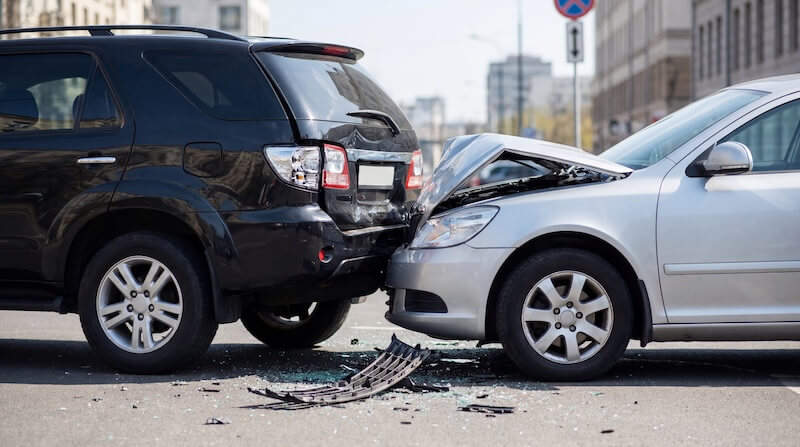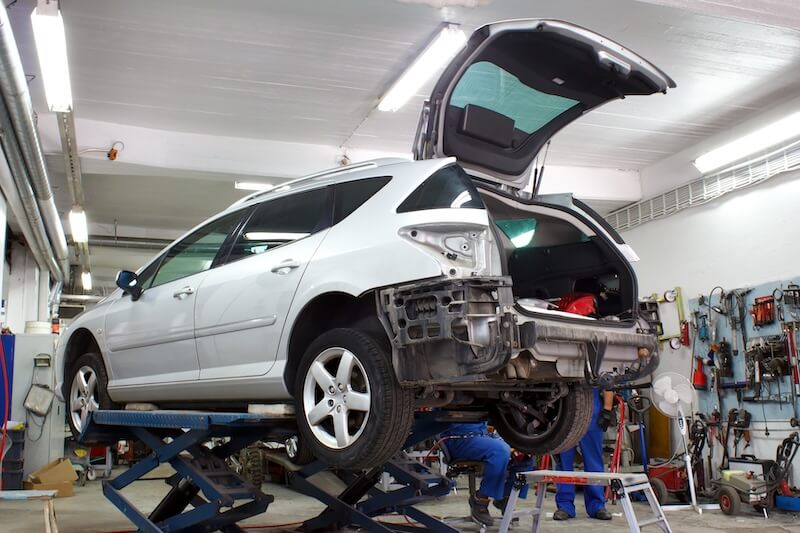
Most drivers assume that once their car comes back from a body shop, the job is done. The damage is gone, the paint looks fresh, and everything seems back to normal. But not all collision repairs are created equal, and sometimes the signs of a poor-quality repair don’t show up right away.
In fact, many issues only become noticeable days or even weeks later. That’s what makes them easy to miss at first and frustrating when they finally appear. Knowing what to look for can help you catch problems early and avoid bigger issues down the road.
One of the first things people notice is paint inconsistency. At a glance, the color might look close enough, especially in certain lighting. But when you see the vehicle in direct sunlight or from different angles, subtle differences can stand out. The finish might look slightly duller, glossier, or uneven compared to the surrounding panels. A high-quality repair blends paint so well that you shouldn’t be able to tell where the work was done.
Panel alignment is another common issue. Gaps between doors, hoods, and fenders should be consistent and even. If one side looks tighter than the other, or if something feels off when opening and closing a door, it could indicate that parts weren’t properly aligned during the repair. These small inconsistencies can affect not just appearance but also how the vehicle seals against weather and noise.
Then there’s the way the car feels when you drive it. A properly repaired vehicle should handle the same as it did before the accident. If you notice pulling to one side, vibrations, or steering that feels slightly off, it may point to alignment or suspension issues that weren’t fully addressed. These are the kinds of problems that often get overlooked when the focus is only on visible damage.
Sounds can also tell you a lot. New rattles, squeaks, or wind noise at highway speeds can indicate loose components or poor fitment. These aren’t just annoyances. They’re signs that something wasn’t reassembled correctly or that parts aren’t secured the way they should be.
Another area that often gets missed is how well everything functions. Modern vehicles rely on sensors, cameras, and electronic systems that need to be properly calibrated after a repair. If warning lights appear, or if features like parking sensors or driver assistance systems behave differently, it could mean those systems weren’t restored correctly.
Even the smaller details matter. Overspray on trim, rough edges inside door panels, or mismatched textures can all point to rushed or incomplete work. While they may seem minor, they reflect the level of care taken during the repair process.
At OHS Body Shop, we believe that a quality repair should hold up over time, not just look good the day you pick up your car. That’s why attention to detail is such a big part of what we do. From precise panel alignment to seamless paint blending and thorough system checks, every step is focused on restoring the vehicle completely.
For drivers, the key is to trust your instincts. If something doesn’t feel right after a repair, it’s worth having it checked. Catching issues early can prevent more serious problems later and ensure that your vehicle is safe and reliable.
In Montana, where road conditions can vary and vehicles are put to the test daily, quality repairs matter even more. A car that hasn’t been properly restored may not handle those conditions as well, and that can affect both performance and safety.
The good news is that most of these issues are avoidable when repairs are done correctly from the start. Choosing a shop that prioritizes quality, follows proper procedures, and stands behind their work makes all the difference.
Because at the end of the day, a collision repair shouldn’t just fix what’s visible. It should restore your confidence every time you get behind the wheel.