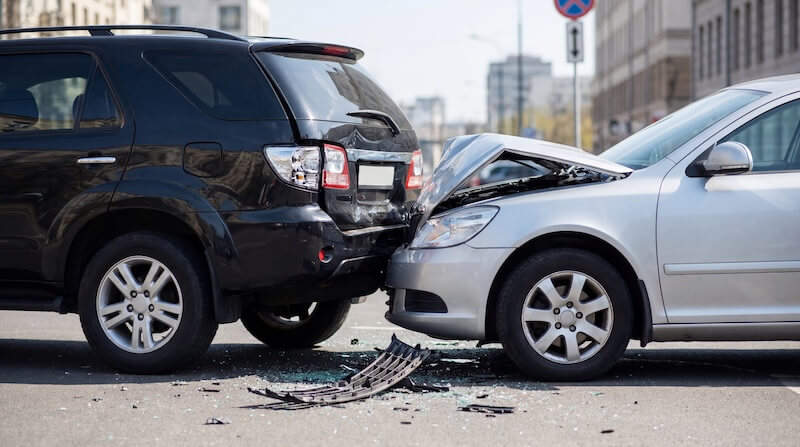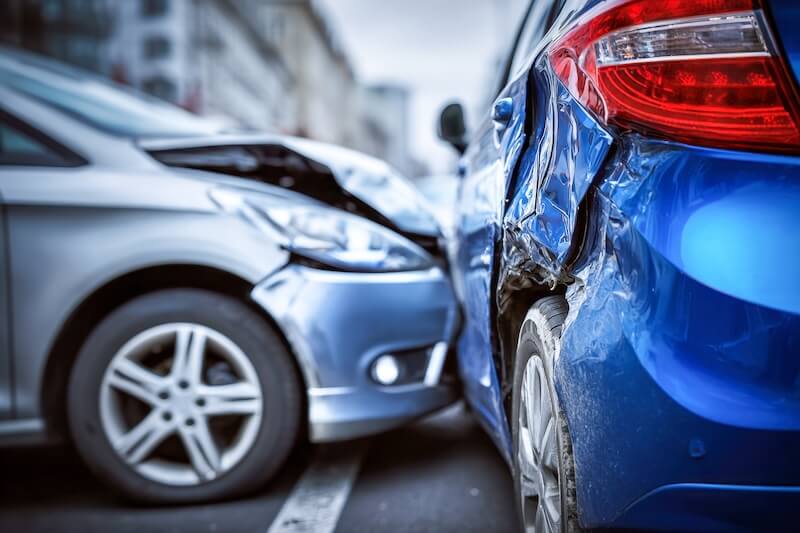
When your vehicle goes in for collision repair, most of the process happens out of sight. You drop off your car, sign a few documents, and then wait for updates. Behind the scenes, though, there’s a steady flow of communication between the body shop and your insurance adjuster that plays a major role in how your repair moves forward.
From the outside, it can feel like things are taking longer than expected or that decisions are happening without much visibility. In reality, there’s a structured process in place designed to ensure that your vehicle is repaired correctly, safely, and in line with your insurance coverage.
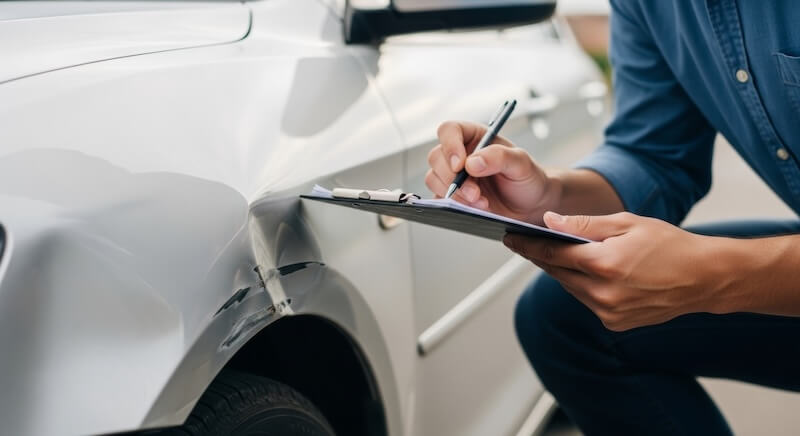
It usually starts with the initial estimate. Either the body shop or the insurance adjuster documents the visible damage and creates a preliminary repair plan. This includes parts, labor, and the expected scope of work based on what can be seen at that moment. That estimate is then reviewed and approved so the repair process can begin.
Once the vehicle is in the shop and technicians start working, the real inspection begins. As parts are removed and the structure is exposed, additional damage is often discovered. This is completely normal. Modern vehicles are built in layers, and what looks like minor damage on the surface can reveal deeper issues underneath.
When that happens, the body shop prepares what’s called a supplement. This is an updated estimate that includes the newly discovered damage and the additional work required to fix it properly. The supplement is sent to the insurance adjuster, who reviews the details and approves the changes so repairs can continue.
This back-and-forth can happen more than once, depending on the extent of the damage. Each step is documented to ensure that everything being repaired is necessary and covered under the policy. While it may seem like a delay from the outside, it’s actually a process that ensures nothing is overlooked.
Communication is a key part of this relationship. A good body shop keeps the adjuster informed with clear documentation, photos, and explanations of what’s been found. At the same time, the adjuster works to review and approve the repairs in a timely manner so the process keeps moving forward.
At OHS Body Shop, we focus on making this communication as smooth as possible. We work with insurance companies every day, and we understand what’s needed to move a repair from start to finish. More importantly, we advocate for the repairs your vehicle actually needs, not just what was visible at the beginning.
There’s also a balance that has to be maintained. Insurance companies are focused on managing claims efficiently, while repair shops are focused on restoring vehicles correctly. When both sides communicate well and follow proper procedures, the result is a repair that meets both safety standards and policy requirements.
For drivers, it’s important to know that you’re not expected to manage this process on your own. Your body shop handles the technical side of the repair and works directly with the adjuster so you don’t have to navigate the details yourself. If questions come up, a good shop will explain what’s happening and keep you informed along the way.
It’s also worth understanding that timeframes can vary depending on how complex the repair is. Waiting for approvals, parts, or additional inspections can add time, but those steps are part of ensuring the job is done right. Rushing the process to save a few days often leads to incomplete repairs or missed issues.
In Montana, where drivers depend on their vehicles in a wide range of conditions, the quality of that repair process matters. You want to know that when your car is returned to you, it’s not just fixed on the surface, but fully restored underneath.
The next time your vehicle is in the shop and you’re waiting for an update, remember that there’s a lot happening behind the scenes. It’s a coordinated effort between the body shop and the insurance adjuster, all focused on getting your vehicle back to you in a safe and reliable condition.
At OHS Body Shop, we take pride in handling that process for you. Because collision repair isn’t just about fixing damage. It’s about making sure everything is done properly, even the parts you never see.