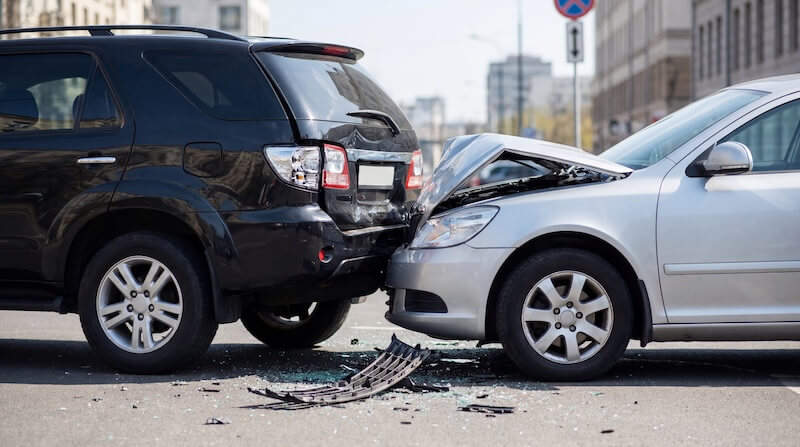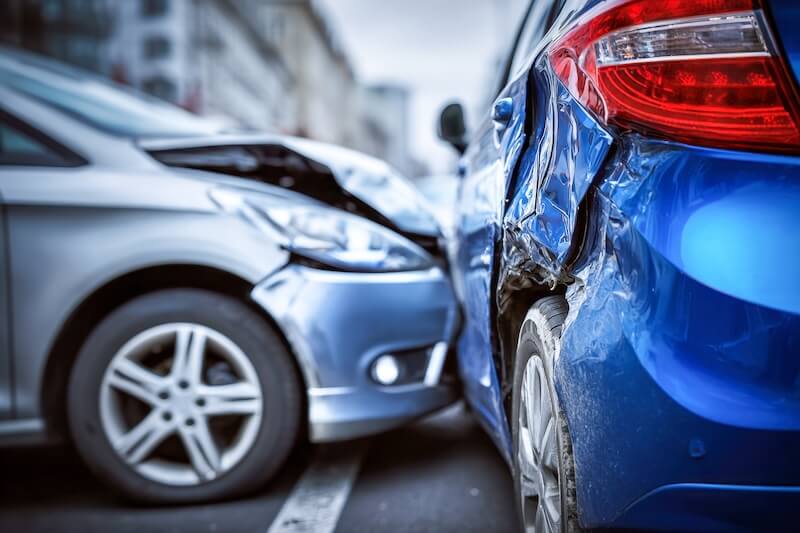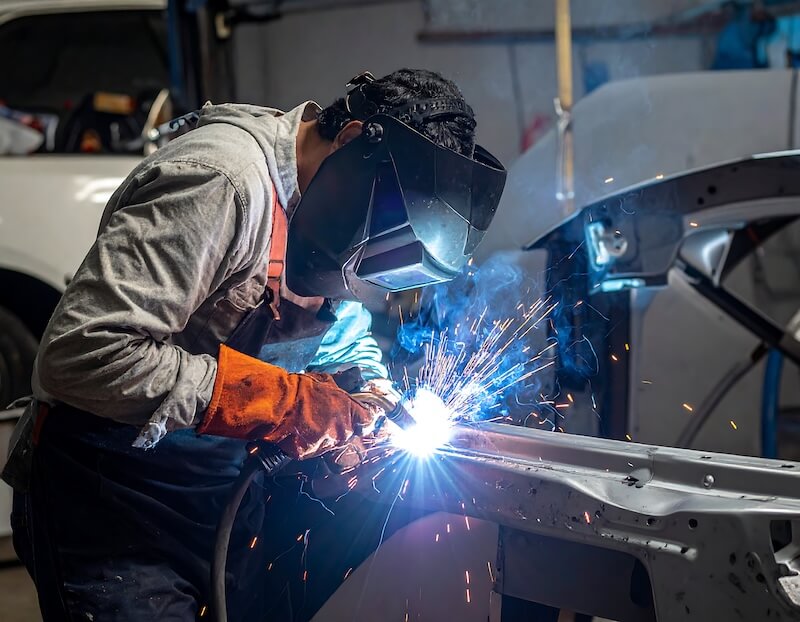
When most people think about collision repair, they picture dents being pulled out, panels being replaced, and fresh paint bringing everything back to life. What often gets overlooked is one of the most important parts of the entire process: welding. It’s not something you see when you pick up your car, but it plays a major role in how strong and safe your vehicle is after a repair.
Modern vehicles are built using a mix of materials, including different types of steel, aluminum, and composites. Each of these materials behaves differently under stress, and each requires a specific approach when it comes to welding. The way those materials are joined back together after a collision determines whether the vehicle regains its original strength or ends up with hidden weak points.
In a factory setting, vehicles are assembled using highly controlled welding techniques. Robotic systems apply precise amounts of heat, pressure, and timing to create consistent, strong bonds between components. When a vehicle is damaged and needs repair, the goal is to replicate that level of strength as closely as possible in a completely different environment.
After a collision, certain structural components may need to be sectioned and replaced. This means cutting out the damaged portion and welding in a new section according to manufacturer guidelines. If the welding is done correctly, the repaired area will perform just like the original. If it’s not, the integrity of that section can be compromised in ways that aren’t immediately visible.
Heat is one of the most critical factors in welding. Too much heat can weaken the surrounding metal, especially in high-strength steels that are designed to perform in very specific ways. Too little heat can result in a weak bond that doesn’t fully fuse the materials together. Finding the right balance requires training, experience, and the right equipment.
Different types of welding are used depending on the material and location of the repair. Some areas require spot welding to replicate factory joins, while others may require more advanced techniques that provide strength without compromising the surrounding structure. The method matters because it directly affects how the vehicle absorbs and distributes force in a future collision.
This is where proper training and adherence to manufacturer procedures become essential. At OHS Body Shop, we follow specific guidelines for each vehicle we repair. That includes using the correct welding techniques, equipment, and materials for the job. It’s not about taking shortcuts or using a one-size-fits-all approach. It’s about restoring the vehicle the way it was engineered to be.
Poor welding can lead to problems that don’t show up right away. The vehicle may look perfect on the outside, but underneath, the structure may not be as strong as it should be. In everyday driving, that might not be noticeable. But in another collision, those weak points can change how the vehicle reacts, potentially putting occupants at greater risk.
Welding also affects how other components fit and function. Structural misalignment caused by improper welding can lead to issues with doors, panels, and even suspension geometry. Over time, that can result in noise, uneven wear, and a driving experience that just doesn’t feel right.
For Montana drivers, where road conditions can be unpredictable and durability matters, the quality of structural repairs is especially important. A vehicle that has been properly welded and restored will handle stress, vibration, and impact the way it was designed to. One that hasn’t may slowly develop issues that could have been avoided with the right repair process.
The reality is that welding is one of those behind-the-scenes steps that most people never think about, but it’s one of the biggest factors in whether a repair is truly complete. It’s not just about putting metal back together. It’s about restoring strength, safety, and confidence in your vehicle.
At OHS Body Shop, we take that responsibility seriously. Because when it comes to collision repair, what’s beneath the surface matters just as much as what you can see. And when welding is done right, it ensures your vehicle is ready for whatever the road brings next.