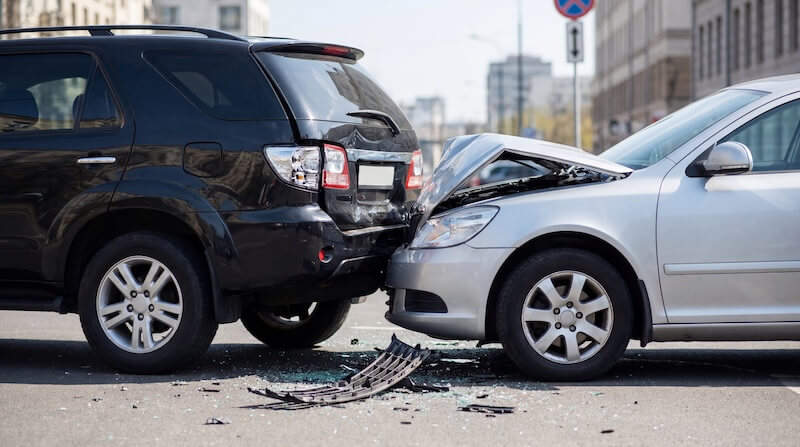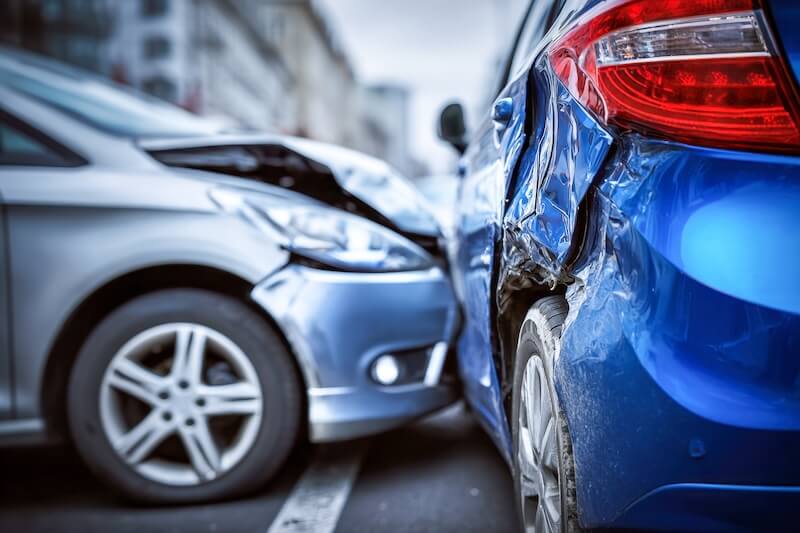
After a collision, one of the biggest questions that comes up is whether a damaged part should be repaired or replaced. It sounds simple on the surface, but behind that decision is a process that involves safety standards, manufacturer guidelines, insurance considerations, and real-world experience in the shop.
Most drivers assume it comes down to cost alone. If it’s cheaper to repair something, repair it. If it’s too damaged, replace it. In reality, the decision is much more nuanced than that, and it plays a direct role in how safe and reliable your vehicle will be after the repair is complete.
Every modern vehicle is built with very specific engineering standards. Manufacturers provide detailed repair procedures that outline exactly what can be repaired and what must be replaced after a collision. These guidelines aren’t suggestions. They’re based on how the vehicle was designed to perform in an accident and how it should be restored to maintain that level of protection.
In many cases, a part may look repairable at first glance but doesn’t meet those standards once it’s inspected more closely. A slightly bent structural component, for example, might seem like it could be straightened. But if the metal has been weakened or stretched beyond a certain point, repairing it could compromise its strength in a future impact. That’s when replacement becomes the safer option, even if it costs more upfront.
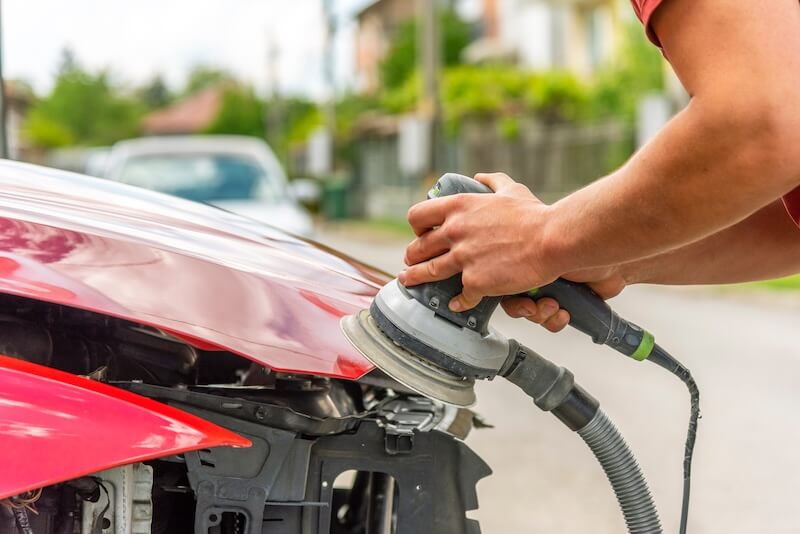
On the other hand, not every damaged part needs to be replaced. Skilled technicians can repair many panels and components to like-new condition without sacrificing safety. The key is knowing where that line is and having the tools and expertise to make the right call.
So who actually decides? It’s a shared process. The collision repair shop evaluates the damage, follows manufacturer guidelines, and creates a repair plan. Insurance companies review that plan and approve coverage based on the policy. In some cases, there’s back-and-forth to ensure everything aligns. But ultimately, the goal is the same: to restore the vehicle safely and correctly.
At OHS Body Shop, we advocate for repairs that meet manufacturer standards first and foremost. If a part can be repaired safely and properly, we’ll do it. If replacement is the better option for long-term safety and performance, we’ll explain why and make sure it’s done right. Our job is to make sure you’re not just getting your car back, but getting it back in a condition you can trust.
Another factor in the repair versus replace decision is how the part interacts with other systems in the vehicle. Modern cars are more connected than ever. A bumper isn’t just a bumper anymore. It may house sensors, cameras, and mounting points that require exact positioning. If a repair can’t restore that precision, replacement may be necessary to ensure everything works as intended.
There’s also a long-term perspective to consider. A repair that looks good today but doesn’t hold up over time isn’t a good repair. That’s why quality shops focus on durability, not just appearance. The goal is to return the vehicle to a condition where it performs consistently, not just immediately after leaving the shop.
Drivers sometimes worry about losing control in the process, especially when insurance is involved. The important thing to remember is that you have a say in where your vehicle is repaired, and a good shop will walk you through the decisions being made. Transparency matters. Understanding why something is being repaired or replaced gives you confidence in the outcome.
In the end, the repair versus replace decision is about more than cost. It’s about restoring the integrity of the vehicle, maintaining safety standards, and ensuring that everything works the way it should. When done correctly, you shouldn’t be able to tell your vehicle was ever in a collision, not just by how it looks, but by how it performs.
That’s the standard we hold ourselves to at OHS Body Shop. Because when it comes to your vehicle, the right decision isn’t always the cheapest or the fastest. It’s the one that keeps you safe on the road long after the repair is finished.