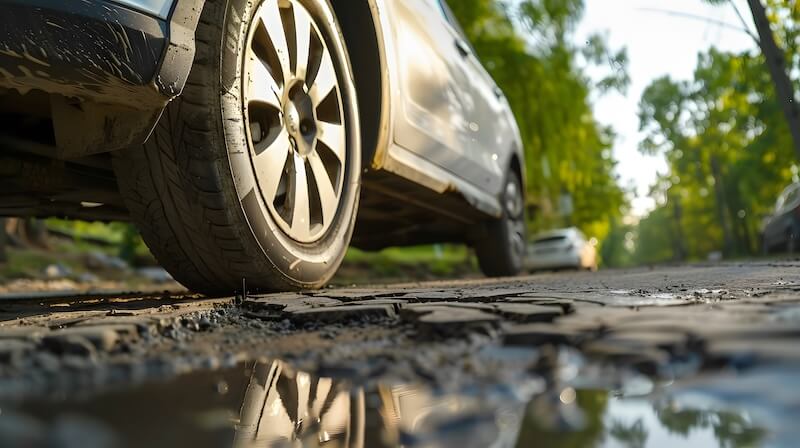
Every year as the weather cools down and the early signs of winter start showing up across Montana, drivers begin talking about winter tires. Some swear by them, some refuse to invest in them, and others are caught somewhere in the middle, wondering if they really matter or if they’re just another expense. Over time, a lot of myths have formed around winter tires, and the trouble is that many of those myths can quietly put drivers at risk without them even realizing it. As a collision repair shop, we see the results of those decisions up close, and trust us – the right tires make a big difference.
One of the most common misunderstandings is the belief that all-season tires are good enough for winter roads. The name “all-season” makes that sound logical, but the truth is that all-season tires are more like “three-season” tires. They’re designed for spring, summer, and fall conditions. Winter tires, on the other hand, are engineered specifically for cold temperatures, ice, slush, and hard-packed snow. Once the temperature drops below about 45 degrees, even if there’s no snow on the road yet, the rubber in all-season tires stiffens up. When that rubber gets stiff, the tire simply can’t grip the road the way you need it to. Winter tires stay soft, flexible, and ready to grab the road surface, which is exactly what keeps you in control.
Another myth we hear all the time is that winter tires only matter if you live in the mountains or plan on driving on unplowed roads. Montana is a state where winter conditions can pop up anywhere, whether you’re driving city streets in Kalispell, heading down the highway near Polson, or taking a country road early in the morning. It doesn’t take a foot of snow to lose control. Sometimes it’s just a thin layer of frost or a wet road that froze overnight. Winter tires help you stop sooner, handle better, and avoid sliding during those unpredictable moments. It’s not about battling a blizzard every day. It’s about everyday safety during months when the weather changes quickly.
A lot of drivers also assume that four-wheel drive or all-wheel drive makes winter tires unnecessary. This is one of the most dangerous misunderstandings because it gives a false sense of security. All-wheel drive helps your car move forward, yes, but it doesn’t help you stop or steer. Those two things depend entirely on your tires. When the road is icy and you need to slow down or turn suddenly, all-wheel drive won’t save you. Winter tires might. They’re designed with deeper tread patterns, more biting edges, and specialized rubber blends that grip the road when nothing else will. Pair winter tires with AWD and you get the best performance possible. Skip the tires and you lose most of the benefits.
There’s also the myth that winter tires are only helpful during major storms and that drivers can wait until the first big snowfall to install them. Montana weather doesn’t work on a schedule like that. The temperature can drop suddenly, and once the cold sets in, the roads change even if the skies are clear. The earlier you install your winter tires, the better prepared you’ll be. Waiting until the first storm creates two problems. First, you’re driving in unsafe conditions before you’ve switched over. Second, tire shops get slammed the moment that first storm hits, which means long lines, limited availability, and a lot of unnecessary stress. Getting ahead of the rush makes life easier and safer.
Another misconception is that winter tires wear out quickly or that they’re too expensive to be worth it. The truth is that winter tires last longer than most people expect because you’re only using them for a few months out of the year. The moment temperatures rise again, you switch back to your all-season or summer tires. Winter tires actually help extend the lifespan of your regular tires because you’re splitting your driving between two sets. As for cost, the price of winter tires is almost always cheaper than the cost of a collision, towing fees, insurance deductibles, and the frustration of being stuck on the side of the road. Winter tires are one of the best investments you can make in terms of safety and long-term savings.
We often hear from drivers who think they only need winter tires on the drive wheels, whether that’s the front or the back. This is another myth that causes a lot of accidents. Mixing winter tires with non-winter tires creates an imbalance that can cause your vehicle to lose control, especially when braking or cornering. Winter tires are most effective – and safest – when installed on all four wheels. When all four tires match, the vehicle can respond predictably, giving you stability and traction when you need it most. It’s all about keeping the car balanced and giving yourself the best chance to stay in control when conditions get slick.
Some drivers also believe winter tires are “loud” or that they make the car feel rough on the road. While older winter tires may have had that reputation, today’s winter tire technology is much different. Modern winter tires are designed to be comfortable and quiet, with features that help you feel confident without sacrificing ride quality. Many drivers who switch to winter tires for the first time are surprised by how smooth the drive feels, even when the road conditions are less than ideal.
By clearing up these myths, the goal isn’t to scare anyone into buying something they don’t need. It’s about helping Montana drivers understand what really keeps them safe. Winter here can be unpredictable, and your tires are the first point of contact between your car and the road. When that contact isn’t strong enough, accidents happen fast. At OHS Body Shop, we see the kinds of collisions that good winter tires could have prevented. We also see the difference in drivers who prepare early and drive with confidence.
As the colder months start moving in, it’s the perfect time to think about your tires, your safety, and the road conditions you’ll soon be facing. Winter tires aren’t a luxury. They’re part of safe, responsible driving in a state where ice, frost, and freezing temperatures are a regular part of life. Whether you’re commuting to work, heading into town, or driving long distances across the state, winter tires give you the grip, braking power, and peace of mind you need. And that peace of mind makes every trip a whole lot safer.