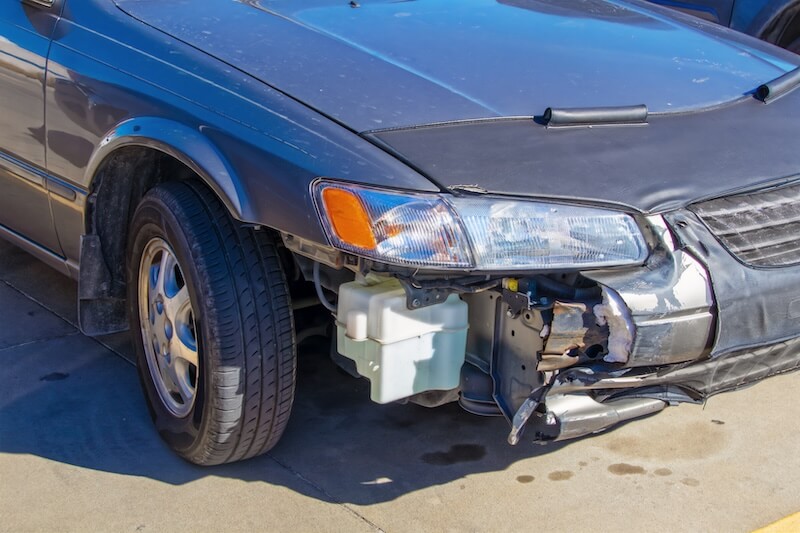
There’s never a convenient time to discover a chip in your windshield, but something about October in Montana seems to make them appear – and grow – faster than any of us expect. You might notice a tiny pebble hit the glass during a morning commute, shrug it off, and promise yourself you’ll get it repaired soon. Then, seemingly overnight, that harmless little speck has stretched into a long crack creeping across your line of sight. It feels like magic, but it’s really just physics and temperature working against you.
Anyone who has lived in Montana for even a short time knows our weather changes quickly. Even in early fall, mornings can be cold, afternoons warm, and nights downright chilly. Windshields experience all of these swings along with us, and auto glass reacts to temperature much more dramatically than most people realize. A chip may seem like a minor cosmetic issue, but once cold weather arrives, that first weak spot becomes a perfect starting point for bigger problems.
Glass expands in heat and contracts in cold. When temperatures drop, especially in the mornings, the glass tightens. If there’s already a weakened area from a chip, the tension is no longer evenly distributed. That tiny flaw suddenly becomes the “give point” for the entire sheet of glass. Instead of resisting the stress, the chip starts to stretch, web, or crack outward, sometimes inch by inch and sometimes all at once. Even something as simple as turning on the defroster too quickly can create a sharp temperature contrast between the warm interior air and the cold exterior, and that’s often all it takes to turn a chip into a real headache.
Road vibrations don’t help either. Montana roads aren’t always gentle, especially after a busy summer of road trips, construction, and weather changes. When you combine a cold windshield with constant vibration, even a small imperfection becomes vulnerable. Every bump, pothole, or gravel shoulder can push that little chip further along until the damage is too big to repair.
Moisture plays a huge role as well. When fall starts bringing dew, rain, and overnight frost, chips don’t stay dry. Water finds its way into every tiny crack and crevice, and once it freezes, it expands. If you’ve ever left a soda can in the freezer too long, you know exactly how that process ends. It’s the same idea with auto glass. Frozen moisture trapped inside a chip can force it open wider, creating stress that spreads across the windshield. This is one of the reasons cracks tend to appear suddenly after a cold night, even if the chip seemed stable the day before.
Another thing that catches drivers off guard is how much windshield damage can affect safety beyond just visibility. A windshield isn’t just a sheet of glass; it’s one of the structural supports of your vehicle. It plays a role in airbag deployment, roof strength, and overall stability during a collision. When it’s compromised, your car is, too. That’s why letting damage spread isn’t just an inconvenience – it can weaken your vehicle when you need it most.
Many drivers wait to repair chips because they worry it will take too long, cost too much, or be inconvenient. In reality, chip repairs are fast, simple, and affordable, especially compared to replacing an entire windshield. What takes just a short appointment in the fall could prevent a full replacement once winter settles in. It’s one of those small tasks that pays off in peace of mind and long-term savings.
At OHS Body Shop, we see windshield chips every day once the temperatures start to fall. By the time November hits, many of those chips have already turned into full cracks, and the drivers usually say the same thing: “I should’ve taken care of this sooner.” We get it. Life gets busy. But this is one of those issues that rewards quick action. A fifteen-minute repair today can save you from waking up to a ruined windshield tomorrow.
If you’ve noticed a new chip or an old one that’s starting to spider out, now is the perfect time to have it checked. Whether it’s a tiny pit or a growing crack, getting ahead of the problem before winter arrives will keep you safer and save you money. We’re always here to take a look, give honest advice, and help you keep your vehicle in top shape as the temperatures drop.