As winter nights stretch longer in Montana, headlights become one of the most important safety tools for drivers. But there’s a hidden challenge many people don’t realize: cold weather can actually make headlight hazing worse, cutting down the light reaching the road and increasing the risk of a nighttime collision.
Headlight hazing is that cloudy, yellowed, or foggy layer that develops on the plastic lens over time. Sunlight, heat, and everyday wear are usually the main causes, but cold temperatures speed up the process in ways drivers rarely notice. Moisture can settle on the lens overnight, then freeze or create tiny micro-cracks when temperatures swing from below freezing to slightly warmer during the day. These micro-cracks scatter light instead of directing it forward, reducing your visibility and making your headlights seem dimmer even if the bulbs themselves are perfectly fine.
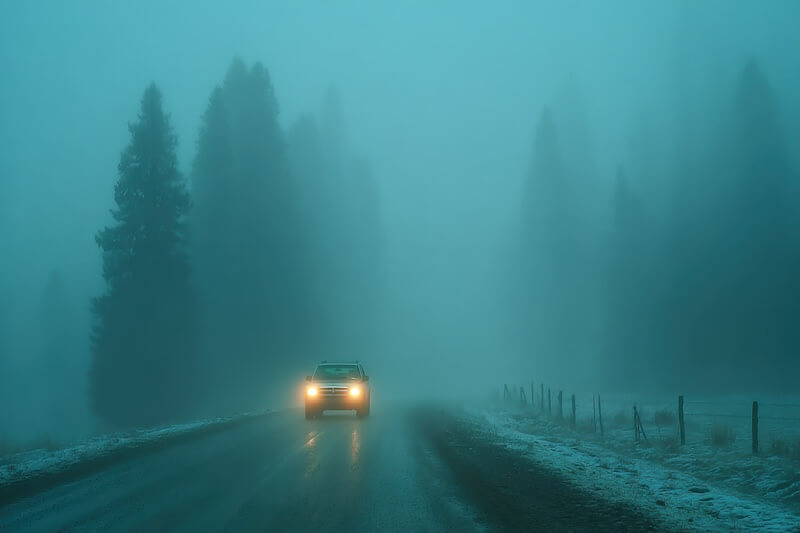
Many drivers think the solution is to simply turn the headlights on brighter or switch to high beams. That often doesn’t work, because the problem isn’t the bulb – it’s the lens itself. Hazed headlights diffuse the light in every direction, creating glare for oncoming traffic while leaving your road ahead dim. On dark Montana roads, this can mean missing obstacles, animals, or changes in road conditions until it’s too late.
Winter also brings extra challenges for headlights. Snow, ice, and road salt can cling to lenses, adding another layer that blocks light. Even a thin film of frost in the morning can make the difference between seeing clearly and driving blind. Drivers often underestimate how much these minor obstructions affect visibility and end up at higher risk of collisions.
The good news is that headlight restoration and maintenance can reverse the problem. Proper cleaning, polishing, and sealing restore clarity to the lenses, allowing your headlights to project as designed. This simple step improves your nighttime vision and ensures other drivers see you, too. Some drivers also opt for protective coatings that prevent moisture intrusion and slow future hazing, which is especially helpful in Montana’s harsh winter environment.
Regular checks of your headlights should become part of your cold-weather vehicle routine. Take a moment to inspect the lenses, wipe off frost, and ensure bulbs are properly aimed. Clear, bright headlights aren’t just about looking good – they’re critical for keeping you, your passengers, and other drivers safe.
By understanding why hazing worsens in cold weather and addressing it proactively, you can reduce your nighttime collision risk. Even small adjustments, like cleaning or restoring headlights, make a huge difference in visibility and reaction time. When you combine this with cautious winter driving practices, you’ll head into the season with confidence that your vehicle is ready for Montana’s dark and icy roads.