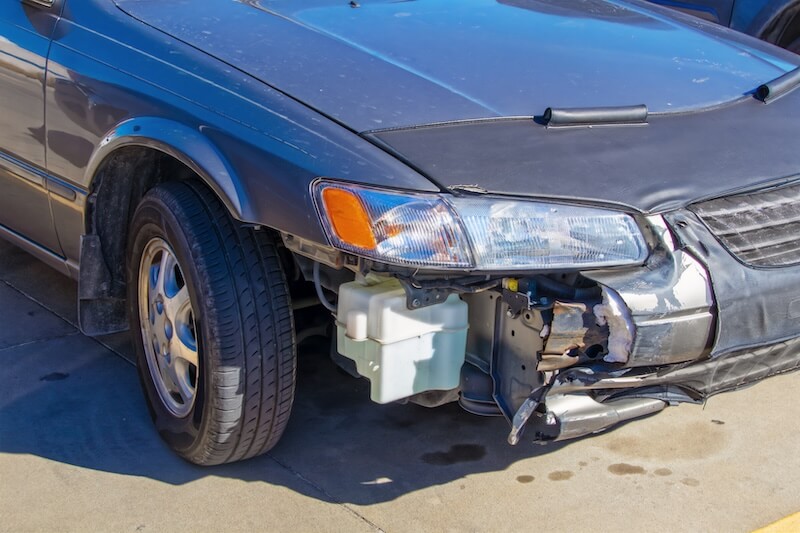
One of the most common things we hear after an accident is, “It still drives fine.” And in many cases, that’s true—at least on the surface. The car starts, moves, steers, and gets you home. But driving and being safe are not the same thing, especially with modern vehicles and Montana road conditions.
After a collision, even a minor one, your vehicle can feel normal while hiding serious issues underneath. Modern cars are engineered to absorb impact in very specific ways. Crumple zones, suspension components, and frames are designed to deform to protect occupants. That deformation doesn’t always make itself obvious right away. Sometimes it only shows up in how the vehicle responds over time.
A car that’s technically drivable may still have alignment issues, bent suspension parts, or subtle frame shifts. These problems don’t always announce themselves with loud noises or warning lights. Instead, they show up as uneven tire wear, steering that feels slightly off, or handling that just doesn’t feel quite right. On dry roads, you might barely notice. On wet, icy, or uneven Montana roads, those small issues can quickly turn into safety risks.
Safety systems add another layer of concern. Modern vehicles rely heavily on sensors, cameras, and computers to assist with braking, steering, and collision avoidance. Even if the car drives normally, these systems may no longer be functioning as designed after an impact. A sensor that’s slightly misaligned can still operate but deliver inaccurate data, which is far more dangerous than a system that’s completely disabled and alerts the driver.
There’s also the issue of structural integrity. Frames and subframes can shift by fractions of an inch during a collision. That may not affect day-to-day driving immediately, but it changes how the vehicle distributes force in a future accident. In other words, the car may not protect you the same way it did before. That’s not something you can feel behind the wheel, but it matters when it matters most.
Drivers often delay inspections because the car feels okay and life gets busy. Unfortunately, hidden damage tends to worsen over time. Suspension components under stress wear faster. Misalignment increases tire and fuel costs. Corrosion can begin in areas where paint or coatings were compromised during the impact. What started as a manageable repair can grow into a more expensive and complex problem.
This is why post-accident inspections are critical, even when a vehicle appears drivable. At OHS Body Shop, we look beyond the obvious. We check alignment, suspension geometry, structural measurements, and electronic systems to make sure everything is functioning the way it should. Our goal isn’t just to get you back on the road, but to make sure your vehicle is truly safe on it.
Montana driving conditions demand reliability. Between changing weather, uneven roads, and long distances between services, hidden collision damage can put drivers at risk when they least expect it. Trusting how a car feels alone isn’t enough anymore.
If your vehicle has been in an accident, even one that seemed minor, getting it professionally inspected gives you peace of mind. A drivable car isn’t always a safe one, and catching hidden issues early protects not just your vehicle, but everyone riding in it.