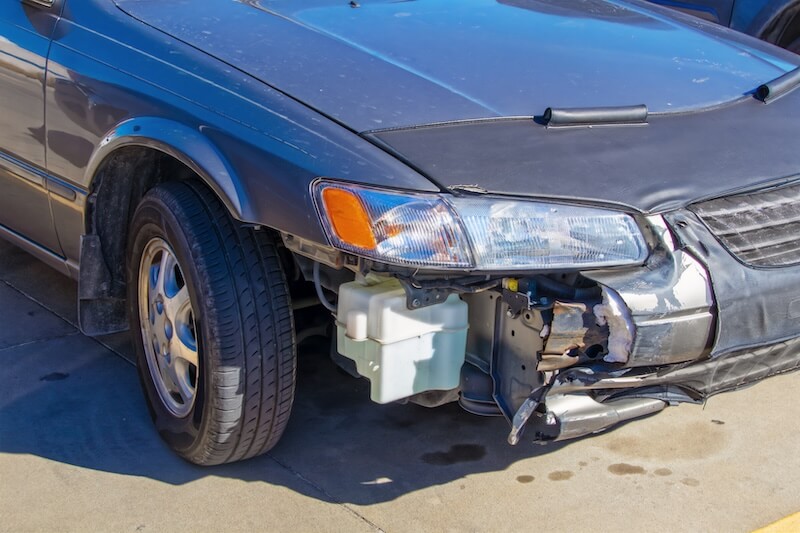
When hunting season wraps up in Montana, the roads tell the story long after the trucks leave the forest. By the time November rolls around, we start seeing the same pattern every year: vehicles come into the shop covered in caked-on mud, gravel wedged in wheel wells, and undercarriages that look like they’ve been dragged through a quarry. Most drivers don’t think twice about it. They wash off the dust, knock loose a few clumps of dirt, and assume everything’s fine. But beneath all that mud and gravel, a lot can happen that isn’t visible at first glance.
Hunting trips take people into places their vehicles rarely go during the rest of the year. Steep trails, uneven ruts, sharp rocks, and muddy creek crossings all leave their mark. The moment the vehicle returns to paved roads, those rough impacts start making themselves known. A steering wheel that suddenly feels off-center isn’t usually blamed on a weekend in the mountains, but that’s often exactly where the trouble started. One deep rut is all it takes to nudge suspension parts out of alignment or bend something just slightly enough to create problems later.
Mud is one of the biggest culprits this time of year. It packs itself into suspension components and dries like concrete. Drivers usually scrub the outside but never think about what’s happening inside the wheel wells or underneath the frame. When mud hardens in the wrong place, it changes how parts move, rubs against brake lines, or throws off the balance of the wheels. We’ve had trucks come in for shaking or vibrations, and the cause ends up being nothing more than chunks of dried mud acting like unbalanced weights.
Rocks cause their own kind of trouble. They get launched into the undercarriage or wedge themselves behind skid plates. Sometimes they crack plastic covers or dent metal ones. Other times they get lodged in the wrong spot and grind against components every time the driver hits a bump. Most people don’t notice any of this until a strange noise shows up on the highway, and by then the damage has already started to spread.
After hunting season, we also see a spike in alignment issues. Off-road driving rarely offers the smooth surfaces your suspension depends on. Every bump, hole, and side slope adds up, even if the driver doesn’t remember a significant impact. Once the vehicle is back on regular roads, it may feel like it’s drifting, pulling, or resisting turns. Ignoring those symptoms can speed up tire wear dramatically, especially as temperatures drop and rubber stiffens.
What surprises people the most is how much damage can hide behind what looks like a normal hunting-season cleanup. A truck can drive perfectly straight one day, then start shaking a week later. Or the tires look fine until one edge starts disappearing faster than the rest. Sometimes the symptoms don’t appear until mud finally falls out or a lodged rock shifts somewhere it shouldn’t have been in the first place.
The best time to catch these problems is right after returning from an off-road trip. A quick inspection can reveal bent suspension pieces, worn bushings, cracked shields, or clogged drainage areas that could freeze when temperatures drop. Even something as simple as a car wash with an underbody spray helps prevent long-term issues by clearing out the mud drivers can’t see.
Montana’s hunting season brings incredible memories, but it also brings vehicles into environments they weren’t built to handle every day. Once the season ends, it’s worth giving your car or truck the same attention you’d give your gear. A little early maintenance now can prevent expensive repairs when winter finally settles in.