Montana winters are tough on vehicles, and cold mornings make even small problems feel bigger. One issue drivers often overlook is how a minor collision can affect the battery. Even when damage seems purely cosmetic, the impact can jolt electrical connections, loosen mounts, or create hidden stress in the battery compartment. When the temperatures drop, these problems become much more noticeable.
Cold weather alone reduces a battery’s effectiveness. The chemical reaction inside the battery slows down, limiting the power available to start your car. Combine that with minor collision damage, and what might have been a manageable situation can suddenly turn into a no-start scenario. Drivers often wake up to a vehicle that won’t turn over and don’t realize that the collision contributed to the problem.
Many collisions, even low-speed ones, transmit vibrations through the engine bay and frame. This can loosen terminals, crack mounts, or slightly shift the battery tray. On a mild day, your car might run just fine, but when the thermometer dips below zero, that same battery might fail exactly when you need it most. Tow trucks are busy in the winter, and being stranded in the cold is not just inconvenient – it can be dangerous.
Another factor is the added electrical load from safety and convenience systems. Vehicles today have cameras, sensors, heated seats, and other electronics that draw power constantly. A compromised battery from a minor collision struggles to keep up with these demands, and the first cold morning often reveals the issue. Many drivers don’t think to inspect the battery after even a small fender-bender, assuming that cosmetic damage is the only concern.
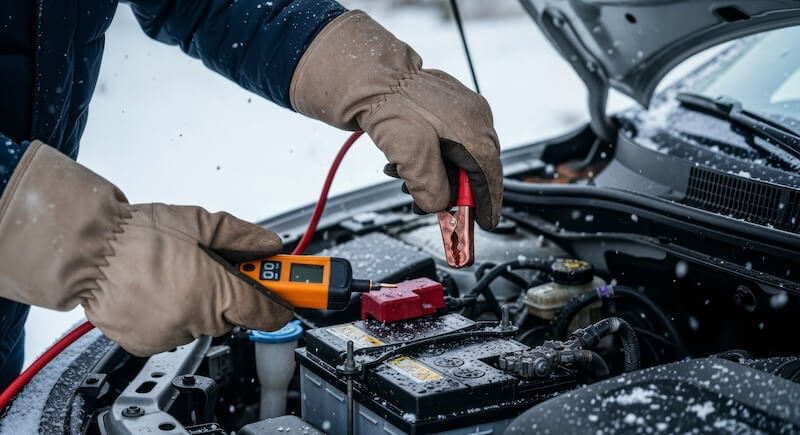
The solution is simple but often overlooked: a post-collision inspection of your vehicle’s battery and electrical system. A technician can check terminals, mounts, and connections, measure battery health, and ensure everything is secure. If there’s any hidden damage, fixing it now prevents frustrating or dangerous failures later.
Being proactive is especially important in January, when Montana’s temperatures are at their lowest. A well-maintained battery, even in a car that’s recently been in a minor collision, keeps your vehicle reliable and ensures you can start the day without worry. Winter driving is challenging enough; you don’t need electrical surprises on top of it.