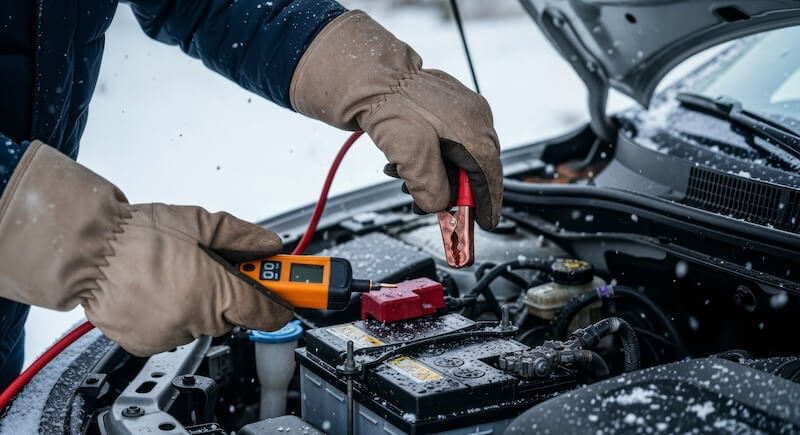
When temperatures drop in Montana, many drivers are surprised by how different their cars feel first thing in the morning. Engines sound stiffer, the suspension feels a little less forgiving, and the entire vehicle seems to wake up slowly. What many don’t realize is that cold weather can also hide the early warning signs of collision-related frame stress, masking problems that become much more obvious once the vehicle warms up.
Metal contracts when temperatures fall. If your vehicle has been in a collision – no matter how small – existing stress points in the frame can temporarily tighten and quiet themselves in the cold. A creak or vibration that you would normally feel on a mild afternoon might disappear on a freezing morning, only to come roaring back once the sun comes out and the metal expands again. This gives drivers the false impression that everything is fine, even when the vehicle is carrying structural damage that needs attention.
Even alignment issues can be harder to recognize in the winter. Cold rubber stiffens your tires and reduces road feedback, making it more difficult to notice drifting or pulling. You may not feel the steering wheel tug during your morning commute, but by late afternoon, the vehicle may start fighting the road again. These temperature swings are especially common during December, when Montana mornings can start at one extreme and finish at another.
Frame stress that goes unchecked rarely stays small. Winter driving puts extra strain on the structure of your vehicle because frozen roads are unforgiving and even minor bumps send shockwaves through weakened metal. A hidden fracture or bent rail can gradually shift, affecting alignment, suspension components, and even how the body panels fit. What begins as a subtle change in how the car drives can eventually turn into a safety concern.
The safest approach is to schedule a professional inspection after any collision, even if you believe the damage was minimal. A trained technician can identify signs of frame stress that temperature changes temporarily hide. Modern measuring systems reveal microscopic shifts in the vehicle’s geometry long before they become noticeable behind the wheel.
Cold weather makes everything feel tighter and quieter, but structural damage doesn’t heal just because it’s harder to detect. If your car experienced an impact this year and the winter temperatures seem to be masking the usual symptoms, it’s the perfect time for a thorough check. You’ll drive into the holiday season with peace of mind and a vehicle that’s truly ready for the roads ahead.