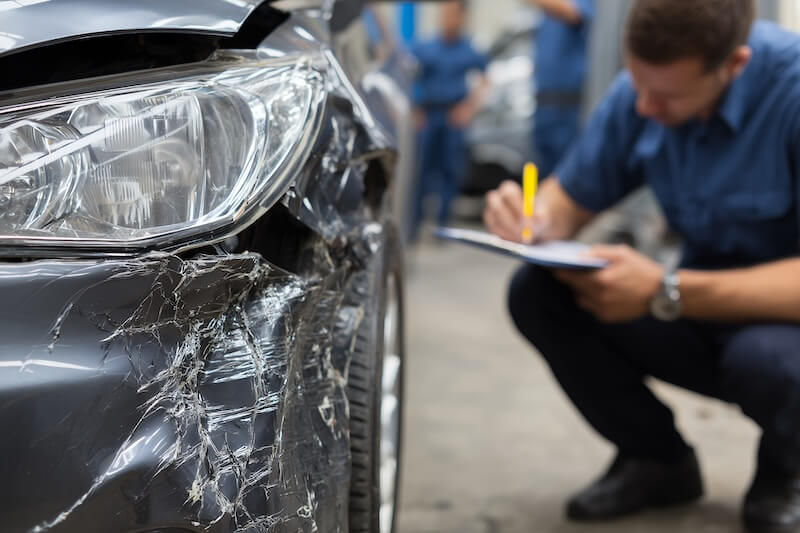
One of the most common questions we hear after a vehicle is dropped off for repair is simple: “How long will it take?” It’s a fair question, and in many cases, we can give a solid estimate. But there’s one factor that can change that timeline more than anything else, and that’s parts availability.
At first glance, it seems like ordering car parts should be straightforward. Identify what’s needed, place the order, and wait for delivery. In reality, it’s often more complicated, especially with modern vehicles and the way supply chains work today.
After a collision, many of the parts that need to be replaced aren’t generic items sitting on a shelf nearby. They may be specific to the make, model, and even the exact trim level of your vehicle. Some are sourced directly from manufacturers, while others come from specialized suppliers. Depending on availability, those parts might be in a regional warehouse, across the country, or even overseas.
That’s where timing starts to vary. If a part is readily available, it may arrive within a day or two. If it’s on backorder or limited in supply, it can take significantly longer. In some cases, there may only be a small number of those parts available at any given time, especially for newer vehicles or models with updated designs.
Another factor is accuracy. When a part is ordered, it has to be the right one. If something arrives damaged, incorrect, or doesn’t meet quality standards, it has to be reordered. That adds time, but it’s a necessary step to ensure the repair is done correctly. Installing the wrong part or forcing something to fit isn’t an option when safety and performance are on the line.
At OHS Body Shop, we monitor parts orders closely and communicate with suppliers to keep things moving as efficiently as possible. Even so, some delays are simply outside of anyone’s control. What matters is how those delays are handled and communicated.
There’s also a sequence to repairs that many drivers don’t see. Certain steps can’t be completed until specific parts arrive. For example, structural work may need to be finished before panels are installed, and calibration of sensors can only happen once everything is properly in place. A delay in one part can affect multiple stages of the repair.
Modern vehicles add another layer to this process. With integrated technology, parts are no longer just physical components. They may include sensors, wiring, or systems that need to be calibrated after installation. That means it’s not just about getting the part, but also ensuring it works correctly once it’s installed.
From a customer perspective, waiting can be frustrating, especially when you’re relying on your vehicle for daily life. The important thing to remember is that taking the time to get the right parts and install them properly leads to a better outcome. Rushing the process or cutting corners to save time often results in problems later.
For drivers in Montana, where vehicles are used in a wide range of conditions, durability matters. A properly repaired vehicle should handle everything from daily commutes to long drives without issues. That level of reliability starts with using the correct parts and giving the repair the time it needs.
Communication plays a big role here as well. A good repair shop keeps you updated on the status of your vehicle, including any delays and what’s being done to move things forward. Knowing what’s happening behind the scenes makes the wait a little easier to manage.
At the end of the day, parts delays aren’t about inefficiency. They’re about ensuring that your vehicle is repaired with the right components, installed the right way, and ready for the road when it’s returned to you.
At OHS Body Shop, we understand that your time matters. But we also know that quality matters more. And when it comes to collision repair, getting it right is always worth the wait.