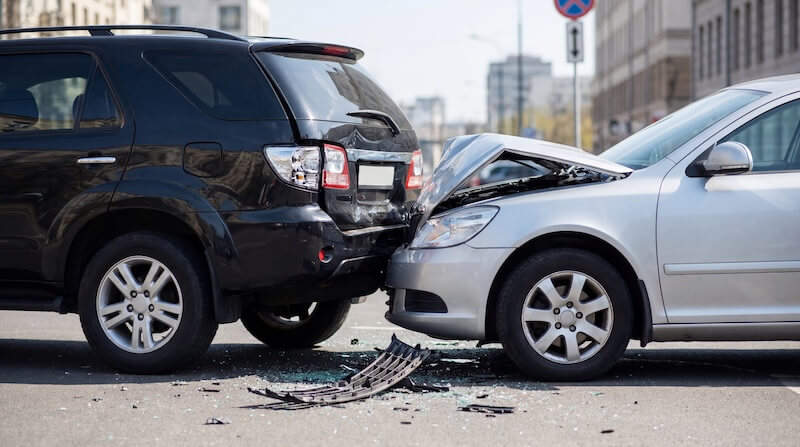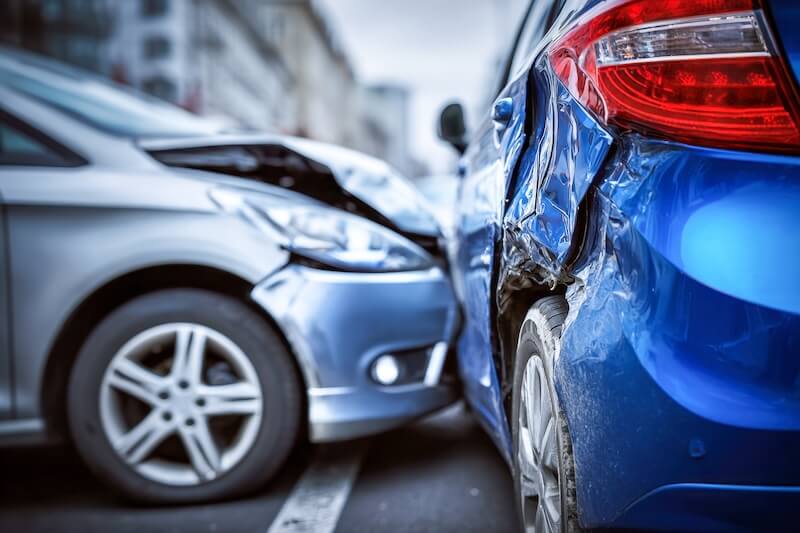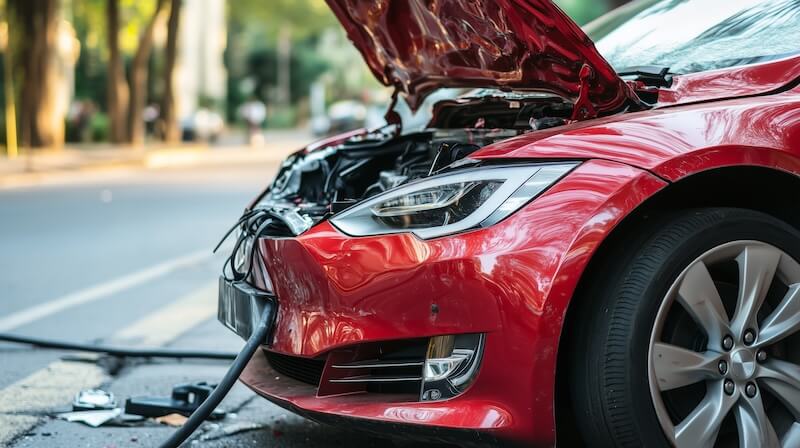
When most people think about a car accident, they picture the point of impact. The dented bumper, the crumpled hood, or the broken headlight. What you see on the outside feels like the full story. But in reality, that visible damage is just the beginning. What matters just as much – if not more – is how the energy from that impact traveled through the vehicle.
Every collision creates force, and that force has to go somewhere. Modern vehicles are designed to manage that energy in a very specific way. Engineers build in crumple zones, reinforced structures, and strategic weak points that absorb and redirect impact forces to protect the people inside. It’s a carefully controlled process, and when it works correctly, it can make the difference between a minor injury and a serious one.
When a vehicle is hit, the energy doesn’t stop at the surface. It moves through the frame, the suspension, and even into areas that weren’t directly touched by the impact. That’s why you can have a relatively small dent on the outside but still have significant structural damage underneath. The force may have traveled beyond the visible damage and affected parts of the vehicle that you can’t see without a proper inspection.
A front-end collision is a good example. The bumper absorbs some of the impact, but the energy continues into the radiator support, frame rails, and sometimes even the suspension components. In a side-impact, the force can travel across the entire width of the vehicle, affecting both sides even if only one door appears damaged. Rear-end collisions can push energy forward, impacting alignment, drivetrain components, and structural mounting points.
What makes this even more important is that modern vehicles are engineered with precision. Everything from alignment angles to structural measurements is designed to exact specifications. When crash energy alters those measurements, even slightly, it changes how the vehicle performs and how it protects you in the future.
This is why proper collision repair goes far beyond fixing what’s visible. At OHS Body Shop, we focus on restoring the entire structure of the vehicle, not just the appearance. That means measuring frame points, checking alignment, and identifying how the impact force moved through the vehicle. We use specialized equipment to bring everything back to factory specifications, ensuring that the vehicle behaves the way it was designed to.
If crash energy isn’t properly addressed during repairs, the consequences can show up later. The vehicle may not handle the same way, tires may wear unevenly, and in another accident, the car may not absorb impact as effectively as it should. That’s not something you’ll notice during a quick drive around town, but it becomes critical in real-world conditions.
Many drivers are surprised to learn how far impact force can travel from the original point of contact. It’s one of the main reasons we always recommend a full inspection after any collision, even if the damage looks minor. What you see on the outside doesn’t tell the whole story.
Understanding crash energy helps explain why professional repairs matter so much. It’s not just about making your car look good again. It’s about restoring the invisible systems that keep you safe. When everything is properly repaired, the vehicle regains its ability to manage impact the way it was engineered to.
At the end of the day, a collision is a physics problem as much as it is a mechanical one. The energy has to go somewhere. Our job is to make sure that after repairs, your vehicle is ready to handle that energy safely again, should you ever need it.