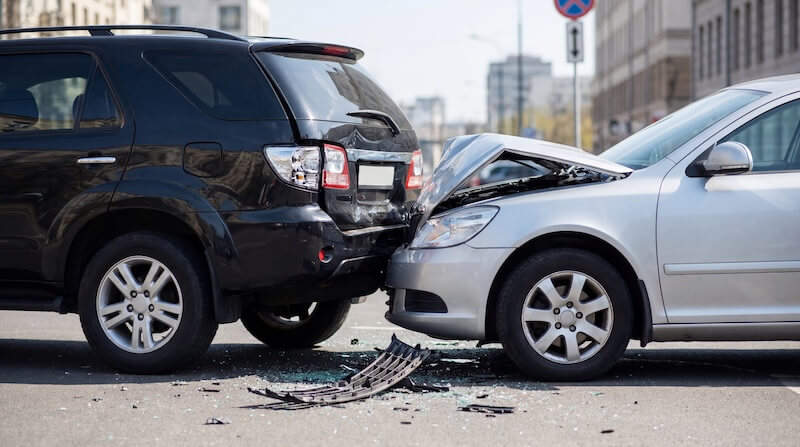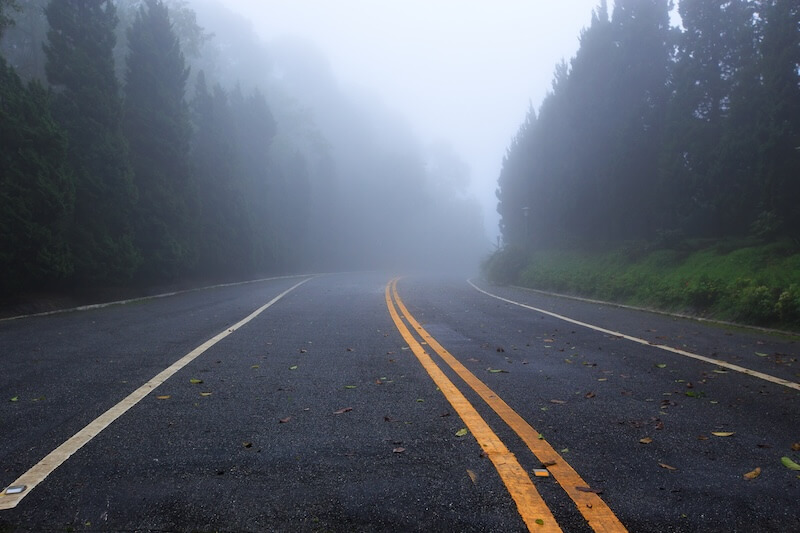
When fall settles into Montana, the mornings start to look a little different. The temperature drops overnight, the air gets heavy with moisture, and suddenly the world looks washed in gray. Fog rolls across fields, drifts over roads, and hangs low in valleys. It’s beautiful to look at, but behind the wheel, it becomes one of the most unpredictable hazards of the season. We see a noticeable increase in collisions caused by low visibility this time of year, and most of them happen because drivers underestimate how quickly fog can change the road ahead.
Fog is tricky because it plays with your depth perception. What feels like fifty feet of clear road can shrink to fifteen in a matter of seconds. One moment the road looks open, and the next it’s like someone pulled a curtain across your windshield. Drivers often react too late when the visibility drops, especially if they’re moving at regular highway speeds. Even cautious drivers can find themselves in trouble when they don’t realize how much fog cuts down their reaction time.
One of the biggest mistakes we see is the use of high beams in fog. It feels instinctive to turn them on when visibility drops, but high beams reflect off the fog and bounce straight back into your eyes. Instead of lighting the road, they create a wall of white that blinds you even more. Low beams and fog lights are designed for these conditions and make a dramatic difference in how well you can see what’s ahead.
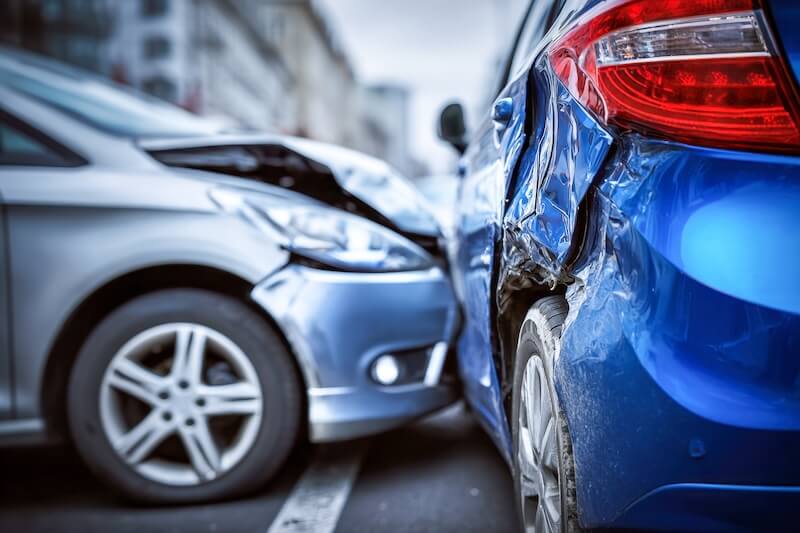
Another issue is that fog makes it harder for others to see you. We’ve had customers come in after minor fender benders where both drivers admitted they didn’t even see each other until the last second. Gray cars disappear into gray fog, and even bright vehicles can blend into the backdrop if the moisture is thick enough. That’s why consistent lighting matters so much. Sometimes just turning on your headlights – day or night – can prevent a collision.
Fog also tends to pool in certain areas, so you can’t rely on conditions staying the same as you drive. It might be clear for the first few miles and then suddenly fill the road around a river, open field, or low valley. These pockets catch drivers off guard, especially those who aren’t expecting the fog to return after a clear stretch. Sudden braking becomes a major cause of rear-end collisions when visibility drops. People slam the brakes because they’re startled, forgetting the driver behind them is just as blind and maybe following too closely.
Montana roads also have plenty of wildlife around during fall, and fog makes spotting animals even harder. We’ve seen many front-end damages this time of year from drivers who didn’t notice a deer or elk until they were right on top of it. Fog doesn’t just hide vehicles – it hides movement. Animals blend into the haze until they’re dangerously close.
The best thing drivers can do is slow down before they enter foggy patches, not after. Keeping a gentle pace and allowing more space between vehicles helps keep everyone safer. Clean windshields, working defrosters, and fresh wiper blades also make a bigger difference than most people realize. A surprising number of fog-related accidents happen simply because the inside of the windshield is fogged up too, doubling the visibility problem.
By the time November settles in, we’ve seen enough fog-related collisions to know that most of them were preventable. A little patience and awareness go a long way. Fog isn’t something you can power through. It’s something you adapt to – by slowing down, staying visible, and paying attention to what your surroundings are telling you.
Fog season doesn’t last forever, but the damage from a collision can. If you ever find yourself in a situation where visibility failed you and your vehicle took the hit, OHS is here to get everything back on track. But we’d much rather help you stay safe out there in the first place.